Best Ways to Improve Your Immune System Naturally
Ever wonder why some people appear to get every cold and virus that passes while other people hardly ever get sick? Much of that is about habits, not luck. There is no one supplement that can “hack” your immune system or a single green smoothie. It’s created over time through consistent choices, from what you eat and how you sleep to how you manage stress. There’s no complications there. All it takes is a bit of consistency.
An immune system is a network of cells, tissues and organs that defend your body against harmful invaders such as viruses and bacteria. It is most effective when combined with proper nutrition, sufficient rest, physical activity and appropriate levels of stress. No one food or pill is able to kick-start immunity overnight — as marketing would have you believe. The thing that really works is consistent, daily practices that enable your body to react more quickly and more rapidly to illness.
Eat a Nutrient-Dense, Balanced Diet
It all begins with food and nutrition. You need certain vitamins and minerals regularly in order to produce and sustain immune cells and most of these should be obtained from the food you eat, not a supplement.
Some items that should be kept in mind:
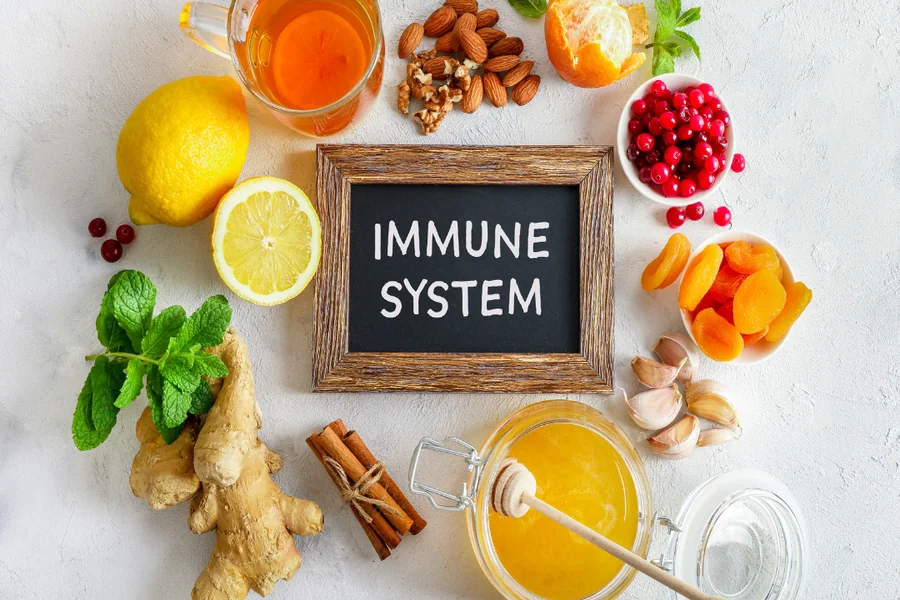
- It promotes production of white blood cells from vitamin C in oranges, bell peppers and strawberries.
- Immunity and healing from beans, nuts, seeds – zinc.
- Probiotic foods such as yogurt, kefir and sauerkraut — good for gut health, which is more important to immunity than most realize.
- Antioxidants to combat cell damage in the form of colorful produce.
- Steady energy and tissue repair with whole grains and lean protein.
Conversely, diets that are low in whole food and high in processed foods and added sugar promote inflammation which weakens your immune system over time. You don’t have to sacrifice everything that you love. The rest just falls into place if you choose to eat more whole foods than not.
Prioritize Quality Sleep
When things get busy, the first thing that goes is sleep – and it’s likely the last thing you want to give up. Your body releases the cytokines (g proteins) that help combat infection and inflammation throughout the night while you’re sleeping. Don’t get enough sleep and production suffers.
Most adults require 7-9 hours sleep per night. Losing an hour or two of sleep every now and then can make you more susceptible to the colds and other common colds.
Some common practices that can be helpful:
- Be regular at bedtime (even on weekends)
- Keep screens out of bed for at least 30 minutes before going to sleep.
- Make sure your room is dark and cold.
- Avoid caffeine late in the day
Getting better sleep is more than simply feeling refreshed. It’s the time your body does most of its repairing — including on the immune system.
Stay Physically Active
Exercise has many non-explicit benefits to the immune system. The movement of blood also helps blood cells circulate throughout the body more efficiently. Additionally, it aids in eliminating stress hormones which, if not controlled, may lower immune function.
The good news? It’s not necessary to work out like a champion to reap the rewards. Moderate, regular exercise will do the trick:
- A fast 30-minute walk every day except during the winter.
- Engaging in two workouts a week, either cycling or swimming.
- Twice weekly light strength training
- Exercise a little for flexibility and tension relief in the form of yoga or stretching
Here consistency is more important than intensity. Do too much in too little time and you will overstress yourself, which is bad for you, not good.
Manage Stress Levels
Stress is one of the keys to immune health that is overlooked. Stress is normal, and short spurts of it are appropriate — your body is made to deal with it. However, when stress happens on a regular basis, cortisol remains high and over time, this begins to diminish immune function.
It doesn’t require a complete lifestyle change to be managed. Short, frequent practices have a great effect:
Taking some time to breathe deeply every day on a regular basis.
- Journaling to get thoughts out of your head
- Time out of doors, including a walk
- Check-ins, regular with friends or family
- A realistic attitude to work limits
Do what works for you, not for what it seems it’s doing. That’s how it’s sustainable.
Stay Hydrated and Limit Alcohol
Water has more impact on your immune system than you think. It assists in carrying nutrients, clearing out toxins, and ensuring proper functioning of your mucous membranes in nose and throat — your first line of defense against germs.
No need to get too fancy with beverages. Stay hydrated by drinking fluids when they are needed and check the color of the urine (as a general guideline).
Here, alcohol will only get in your way. It disrupts sleep, makes you dehydrated, and can throw off your gut microbiome, as noted above, which has a real influence on immune regulation. You need not take it out completely. Simply keep it in check.
Get Sunlight and Consider Vitamin D
Vitamin D directly stimulates your immune system, but it’s surprising how many people may have insufficient levels, particularly those spending most of their day indoors. Vitamin D is synthesized in the skin by sunlight, but the amount varies by latitude, skin tone and season of the year.
Most days 10–15 minutes is sufficient. Certain foods—such as fatty fish, egg yolk and fortified dairy products—can help supplement sunlight if you live in a region where you don’t get enough sun, especially during the winter. Others also need a supplement, but it’s best to consult a medical professional first – excess vitamin D can also lead to issues.
Final Thought
There is no secret to boosting the immune system. It’s really just a few little habits that can all make a difference, like eating the right foods, getting the correct amount of sleep, moving around, managing stress, getting enough water in and getting some sun.
It’s not the week that you have to completely change your lifestyle. Choose one or two habits that you think are achievable and begin with these. Followed by the rest. All these little things combined make up a healthier body that is better able to ward off disease and bounce back when it strikes — over time. It is consistency, not perfection, that is what counts.