Are Bifacial Solar Panels Worth It for Portable Power?

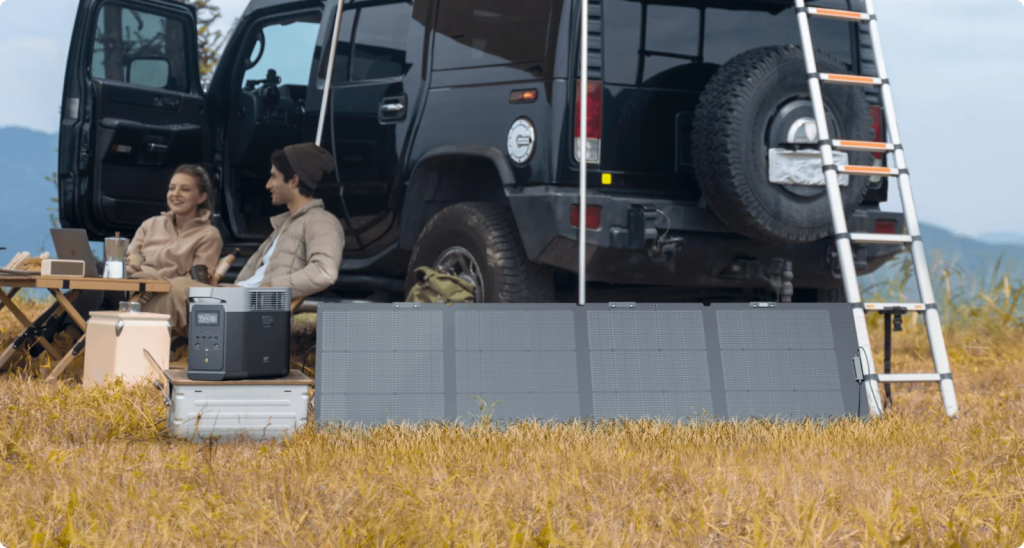
Bifacial panels are worth considering when their rear surface can receive reflected light. A tilted panel above a light-coloured patio, pale gravel, or snow has a useful opportunity to collect energy from both sides. A panel pressed against a dark wall or laid flat on the ground gets little benefit from its rear cells.
For portable use, the purchasing decision begins with the places where you actually set up. The label alone does not produce the gain; light must reach the back, and the connected power station must be able to accept the resulting input.
The Rear Rating Is Not Extra Power You Can Simply Add
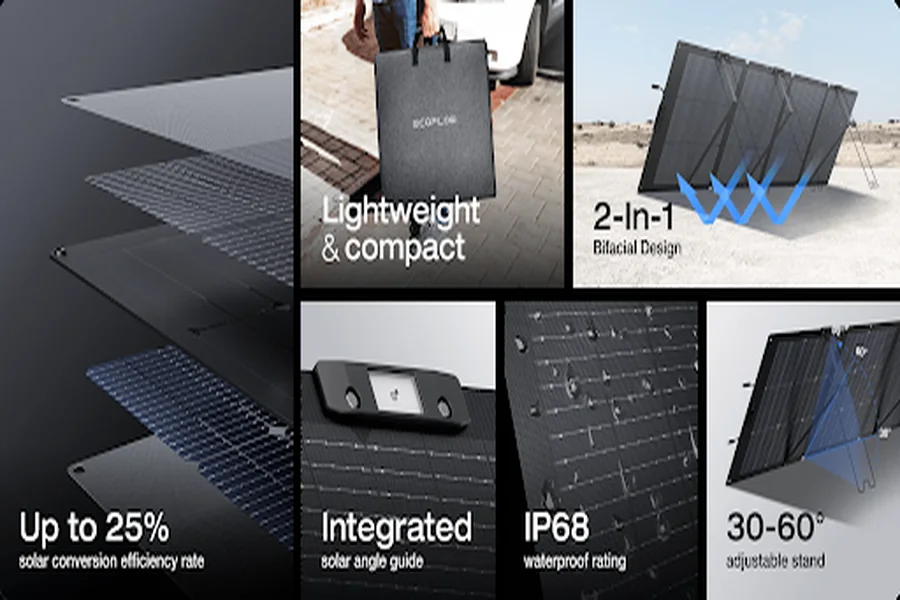
A bifacial panel has active surfaces on both sides. The front normally receives the strongest direct sunlight, while the rear collects reflected and diffuse light.
EcoFlow’s NextGen 220W Bifacial Portable Solar Panel lists a 220W front rating and a 175W rear rating. Adding those figures and expecting a steady 395W output would be a mistake. They describe the surfaces under their rated test conditions, not two sides simultaneously facing the sun at full intensity.
Think of the rear surface as an additional collection opportunity. Its contribution changes with the ground, clearance, surrounding objects, and angle. That is more useful for planning than treating an advertised maximum gain as an extra allowance available at every campsite.
Decide Where the Back of the Panel Will Face
The ground below and behind the panel has a direct effect on its usefulness. Pale surfaces reflect more light than dark surfaces, while an open rear view gives reflected light a path to the cells.
A portable stand makes this easier to manage than a flush installation. You can tilt the panel toward the sun and avoid placing bags, chairs, or the battery directly behind it. Moving the setup a short distance out of a shadow can matter more than changing equipment.
This does not mean you should chase rear light at the expense of the front. Start by giving the main surface a clear view of the sun. Then improve rear exposure without introducing front shading or an unstable position.
For an RV, distinguish a folding panel deployed beside the vehicle from a panel mounted closely against the roof. The portable arrangement offers flexibility, while a close-mounted panel may have little open space for light to reach its underside.
Judge the Gain Over a Charging Session
An extra burst of input is useful, but the value is the additional energy collected over time. As an illustrative example, increasing average input from 150W to 180W over four hours adds 120Wh before charging losses. That is a meaningful supplement for small electronics, but it does not replace the output of a second full panel.
You can compare locations using the power station’s input display. Keep the front angle similar, avoid changes in cloud cover, and make the comparison while the battery can still accept charging. If it is nearly full, the station may limit input and hide the difference between placements.
For repeated use, accumulated watt-hours are more useful than the highest number briefly shown on the screen. A location that works for twenty minutes before a tree shades it is not necessarily better than a consistently open location with a lower peak.
Compare Weight and Input Limits Alongside the Technology
When comparing solar panels, keep front-side wattage and folded dimensions in view. A smaller bifacial panel does not automatically outperform a much larger conventional panel simply because it collects light on both sides.
The NextGen 220W bifacial model weighs about 7kg and unfolds to roughly 2.16 metres across. Those are practical details if it needs to fit beside a vehicle or be carried from parking to a campsite. Its adjustable stand helps with positioning, but you still need enough clear ground for the full panel.
The receiving station can be another limit. Extra collection will not increase charging beyond its supported solar input. Voltage, current, and connection requirements still apply; matching only the connector shape is not sufficient.
I would prioritise a useful front-side output and a manageable setup first. Bifacial collection becomes a worthwhile advantage when the location allows the rear to contribute regularly.
FAQ
Does a Bifacial Panel Need a Separate Rear Connection?
No. A standard bifacial portable panel combines collection from both surfaces into its normal output connection. You do not run a second cable just for the rear cells.
Can You Use It with the Rear Side Blocked?
Yes. The front still generates electricity. You simply lose much of the reason to choose the bifacial design, so a consistently blocked installation is a weak case for paying extra for rear collection.
Conclusion
For a portable setup on open, reflective ground, I would choose bifacial panels when the weight and dimensions suit the trip. For a shaded site or close-mounted position, I would put the priority on usable front-side wattage and better placement. The worthwhile upgrade is additional energy you can actually collect where you charge.