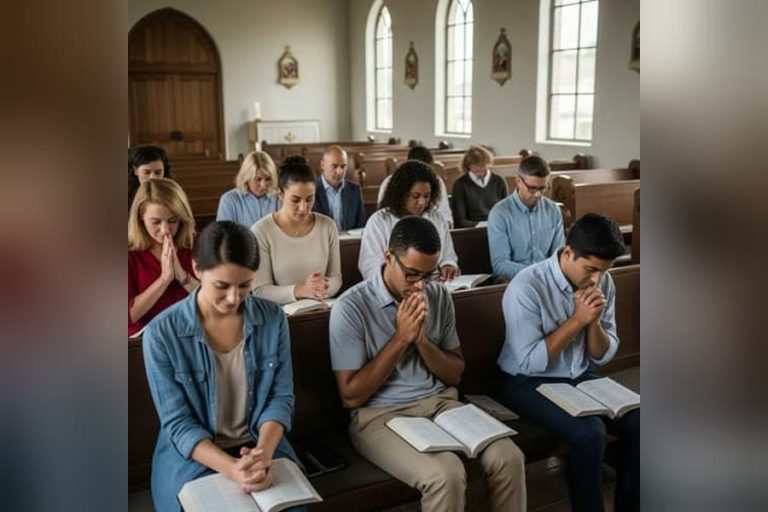
A Practical Way to Use Bible Study Guides Alongside Scripture

Daniel had been a Christian for maybe four months when his mentor, Hank, noticed something a little funny. Every Tuesday at the diner, Daniel slid into the booth with a fat study guide stuffed with sticky notes and half its pages highlighted in yellow. Meanwhile, his actual Bible was usually riding around on the dashboard of his pickup. When Hank asked about it, Daniel just shrugged. “I figured the guide already had all the important verses in it.”
To be fair, a lot of us have done the exact same thing. Good Bible study guides really are a gift. They give you somewhere to start when you’re stuck in Leviticus wondering what on earth is going on, and they ask questions you’d never come up with on your own. But a guide was never supposed to take the Bible’s place. It does its best work walking alongside Scripture, not marching out in front of it.
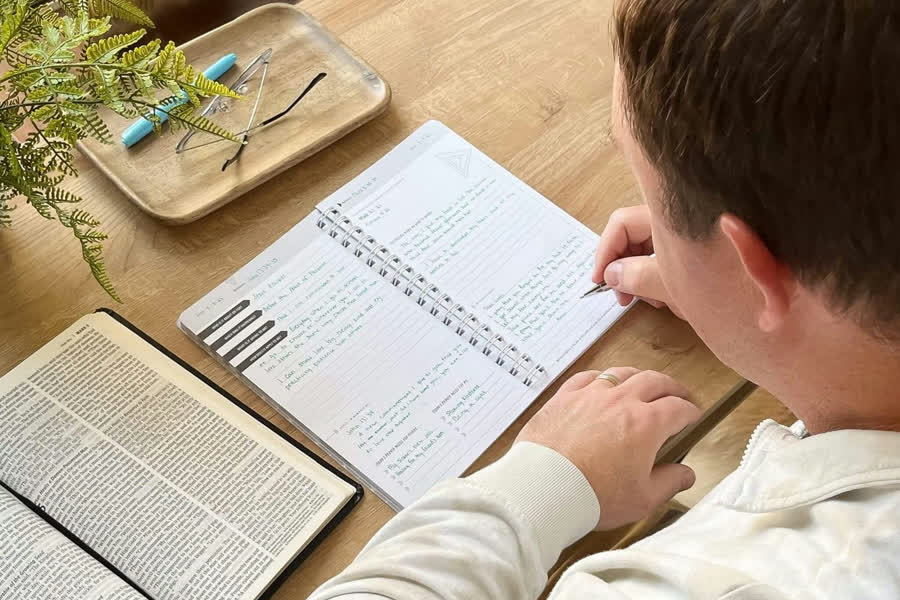
Hank put his coffee mug down and gave Daniel a rule he still follows years later. “Bible on the left, guide on the right. And the left one always gets opened first.” It sounds almost too simple to matter. It changed the way Daniel studied, though, and there’s a decent chance it could change yours.
Why a Guide Should Never Be the Main Course
There’s a scene in Acts 8 that I think every study guide writer should tape above their desk. A government official from Ethiopia is bouncing along in his chariot, reading Isaiah out loud and getting absolutely nowhere with it. Philip jogs up alongside and asks, “Do you understand what you are reading?” The man’s reply is so honest it makes me smile. “How can I, unless someone explains it to me?”
That’s the whole reason study guides exist in the first place. God has always used teachers and mentors and older believers to help people make sense of His Word. Needing help isn’t second-class Christianity. Even the disciples needed Jesus to open their minds to the Scriptures after the resurrection, and they’d spent three years walking with Him.
Look closely at what Philip didn’t do, though. He didn’t hand the guy a pamphlet and take the scroll away. He started right where the man was already reading, and he pointed him to Jesus from that exact spot. The scroll never left the man’s hands.
I think of a guide as somebody else’s notes about a meal. Often they’re really good notes, wise ones even. But Hebrews 4:12 says it’s God’s Word that is “alive and active,” the part that actually gets down into your heart. If all we ever read are the notes, we go home hungry and wonder why.
The Bereans in Acts 17 had this balance figured out. They listened eagerly to Paul, who was about as qualified a Bible teacher as you’ll ever meet. Then they went home and “examined the Scriptures every day to see if what Paul said was true.” If they checked the apostle Paul’s work, we can definitely check a paperback from the church bookstore.
A Simple Rhythm: Scripture First, Guide Second
Here’s a rhythm that works whether you came to faith last month or you’ve been leading small groups since flip phones were cool. No seminary degree needed. You just need about half an hour, a cheap pen and a willingness to slow down more than feels natural.
Read the passage first, before you even open the guide. If this week’s lesson is about forgiveness in Matthew 18, read the whole chapter, not just the three verses the book printed for you. Read it twice if you’ve got time. Seeing the bigger picture keeps you from building an entire theology on one sentence yanked out of its setting.
Then scribble down what you notice before anybody tells you what you’re supposed to notice. Was anything surprising? Did something make zero sense? Was there a line that made you squirm a little? Pray Psalm 119:18 right over the page: “Open my eyes that I may see wonderful things in your law.” It’s one of those prayers God seems especially happy to answer.
Now go ahead and open the guide. A lot of the time it’ll back up something you already spotted, which honestly feels pretty great. Other times it’ll point out stuff you completely missed, like the culture behind a parable or a quiet echo of something back in Genesis. That’s where a good guide earns its spot on the kitchen table.
Whenever the guide quotes a verse, look it up in your own Bible and read a few lines before and after it. If the wording differs between editions, this look at how Christian translators handle different Bible versions explains why. This one habit will save you from a surprising amount of confusion over the years. Paul told Timothy to be a worker who “correctly handles the word of truth” (2 Timothy 2:15). It’s pretty hard to handle something correctly if you never actually pick it up.
And answer the questions honestly. Skip the answers that sound spiritual and write the ones that are true. If the guide asks how you treat people who’ve hurt you, don’t write the Sunday school answer. Write about what really happened in the grocery store parking lot last Thursday.
Taking It Off the Page and Into Your Week
This is the spot where most of us quietly fizzle out. We finish the lesson, close both books, feel pretty good about ourselves, and completely forget it by lunchtime.
James doesn’t let us wriggle out of it, though. “Do not merely listen to the word, and so deceive yourselves. Do what it says” (James 1:22). If nothing about your Wednesday looks any different, the study session isn’t really over yet.
Before you close your Bible, write down one specific thing you’ll do. Keep it small enough that you’ll actually follow through. “Be more forgiving” sounds lovely and will never happen. “Text my brother tonight and apologize for the Thanksgiving thing” is something you can do before you brush your teeth.
Pull somebody else into it, too. Daniel really started to grow once he and Hank worked through the same guide together, one chapter a week. They’d both read the passage at home first, then compare notes over scrambled eggs and coffee that tasted faintly burnt. Proverbs 27:17 calls that iron sharpening iron. It’s awfully hard to fudge your answers when the guy across the table has known you for a year.
If you’re a mentor or you lead a small group, please teach this on purpose. Don’t just hand someone a guide and cross your fingers. Sit down with them and show them how to open the Bible first, check each reference, and leave with one real thing to do. You’ll end up with believers who can feed themselves long after your Tuesday mornings together are done.
Daniel still uses study guides today. He just reads them differently, with a Bible that’s gone soft and wrinkly at the corners sitting right beside them. Hank loves to tease him that the guide looks practically brand new by comparison, and Daniel takes it as a compliment.
Here’s your challenge for this week. Pick one passage and open your Bible before anything else. Read it slowly, out loud if nobody’s home, and then read it again. Only after that should you reach for the guide. And when you’re finished, don’t close either book until you’ve written down one thing you’ll actually do before Sunday morning.