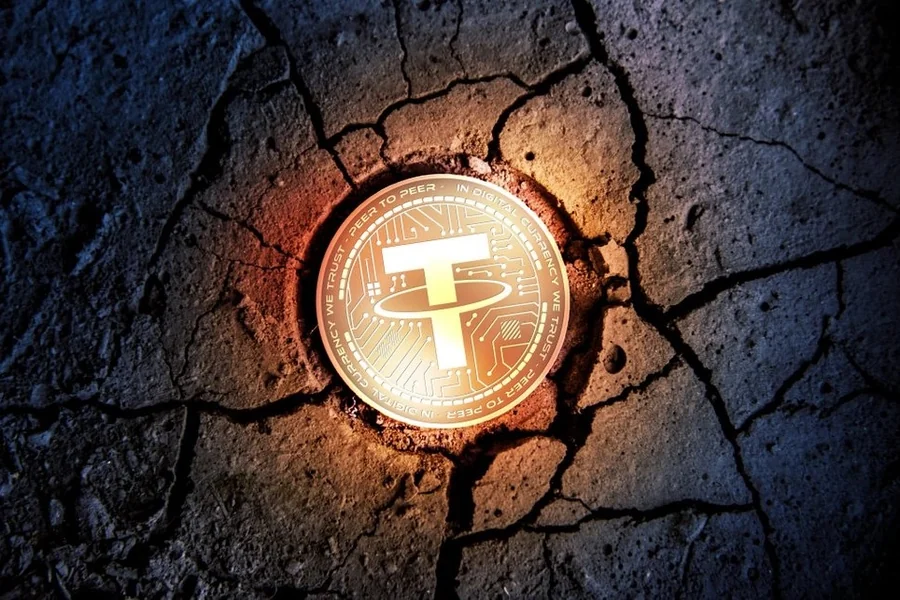
How to buy Tether TRC20 (USDT) with US dollars (USD)
The main challenge when converting US dollars (USD) into the stablecoin Tether (USDT) is that it is not always possible to verify a virtual transaction beforehand. An attractive offer might actually be a front for a fraudulent exchange service, and once funds have been transferred, tracking down the operators can be extremely difficult. Therefore, if you plan to convert fiat currency into Tether (USDT), it is crucial to evaluate not only the exchange rate and fees but also the platform’s reliability, the terms of the exchange, and the process for receiving your funds.
How fake exchange services operate—and how common they are
Scammers use various tactics to persuade individuals to send money before they have a chance to vet the platform. Common schemes include:
- Imposter websites. Scammers replicate the design of a well-known exchange service but use a different URL, banking on the user’s inattention. The difference in the domain name might be as subtle as a single character.
- Unrealistically favorable exchange rates. An offer to purchase Tether (USDT) at an exceptionally attractive price—well below the market rate—is designed to prompt a hasty decision; however, once the payment is made, the exchange service simply stops responding.
- Demands for additional payments. After the USD has been transferred, the user is told that they must pay for account verification, the unlocking of a transaction, insurance, or a withdrawal fee—followed by a never-ending series of new demands.
- Fabricated, glowing reviews, often accompanied by screenshots purportedly showing successful Tether (USDT) purchases.
- Substitution of payment details. Users may be provided with payment information that differs from what was originally stated, or they may be asked to transfer funds to a personal bank card or an unrelated third-party account without any clear justification.
It is difficult to determine the exact number of fraudulent exchange services; they frequently appear, change their names, and vanish—only to potentially resurface under different domain names. Even a website that appears professional and well-maintained does not guarantee security. You should evaluate a site based on a combination of factors before submitting a request to purchase TRC20 (USDT).
Who is at risk when exchanging US dollars for Tether?
While any crypto investor could potentially encounter issues, certain circumstances increase the level of risk. Those most likely to fall into a trap include:
- Newcomers to the cryptocurrency market who may not be familiar with the process of exchanging US dollars for the Tether (USDT) stablecoin on the TRC-20 network, or who may not understand the differences between wallet addresses, etc.
- Users who are in a rush and fail to verify the domain, the terms of the transaction, or the service’s reputation.
- Individuals exclusively seeking the most favorable exchange rate.
- People who arrive at a site via an advertisement link or a recommendation from a chat group.
- Those who have successfully completed exchanges in the past and have grown accustomed to fast transactions, leading them to be less diligent in analyzing the platform before initiating a new exchange.
You should also be wary if an exchange service pressures you to make a payment quickly, claims there are “zero risks,” or promises to return your funds only after an additional payment is made.
Rules for safely converting USD to Tether (TRC20)
While there is no absolute guarantee against fraud, following a systematic approach can significantly reduce the risk of losing your funds:
- Verify the exchange service using an independent monitoring platform.
- Compare the overall terms and conditions, not just the USDT exchange rate.
- Carefully check the website address and payment details.
- Familiarize yourself with the specifics of the TRC20 network.
- Start with a small amount if the service is new to you.
- Keep records and confirmations of your transactions.
Reliable exchange services are characterized by transparent terms, a clear transaction process, accessible customer support, and the ability to track the status of your transaction. They do not promise the impossible, demand unexpected additional payments to unlock funds that have already been sent, or pressure you into making a decision.