Commercial Interior Design: Creating Functional and Engaging Business Spaces
Commercial spaces play an important role in how businesses operate, serve customers, and present their brands. Whether it is an office, retail outlet, hospitality venue, showroom, clinic, or other business environment, the interior can influence productivity, customer experience, and overall perception. This is why thoughtful commercial interior design is an important investment for businesses seeking to create spaces that are both attractive and practical.
A successful commercial interior goes beyond choosing colours and furniture. It involves understanding how people move through a space, how employees perform their tasks, how customers interact with the environment, and how the physical surroundings communicate the identity of a business. With careful planning, an interior can become an important part of a company’s overall strategy.
What Is Commercial Interior Design?
Commercial interior design focuses on planning and creating interior environments for businesses and organisations. It combines space planning, materials, lighting, furniture, colours, finishes, branding, functionality, and aesthetics.
Unlike residential interiors, commercial spaces often need to accommodate larger numbers of people and more complex operational requirements. Designers may need to consider customer traffic, employee workflows, accessibility, safety, storage, technology, and regulatory requirements.
The design process generally begins with an understanding of the client’s objectives. Designers then develop concepts and layouts that balance practical requirements with the desired visual identity.
Why Commercial Interior Design Matters
A well-designed commercial space can influence how customers perceive a business from the moment they enter. A thoughtfully planned reception area, for example, can create a welcoming first impression, while a cluttered or poorly organised environment may have the opposite effect.
For employees, the physical workplace can influence comfort, collaboration, concentration, and efficiency. Appropriate lighting, furniture, acoustics, and spatial organisation can make daily activities easier and more comfortable.
Commercial design can therefore support both the customer experience and internal business operations.
Understanding the Business and Its Users
Every commercial space has different requirements. A retail store may need clear product displays and intuitive customer circulation, while a professional office may prioritise meeting rooms, private work areas, and collaborative spaces.
A restaurant requires careful consideration of customer seating, kitchen operations, service routes, lighting, and atmosphere. A healthcare environment may have additional requirements relating to hygiene, accessibility, privacy, and patient comfort.
Understanding the intended users and activities is therefore one of the first steps in successful commercial interior design.
Creating an Effective Layout
Space planning is one of the most important aspects of commercial interiors. A good layout allows people to move through the space efficiently while ensuring that essential functions have enough room.
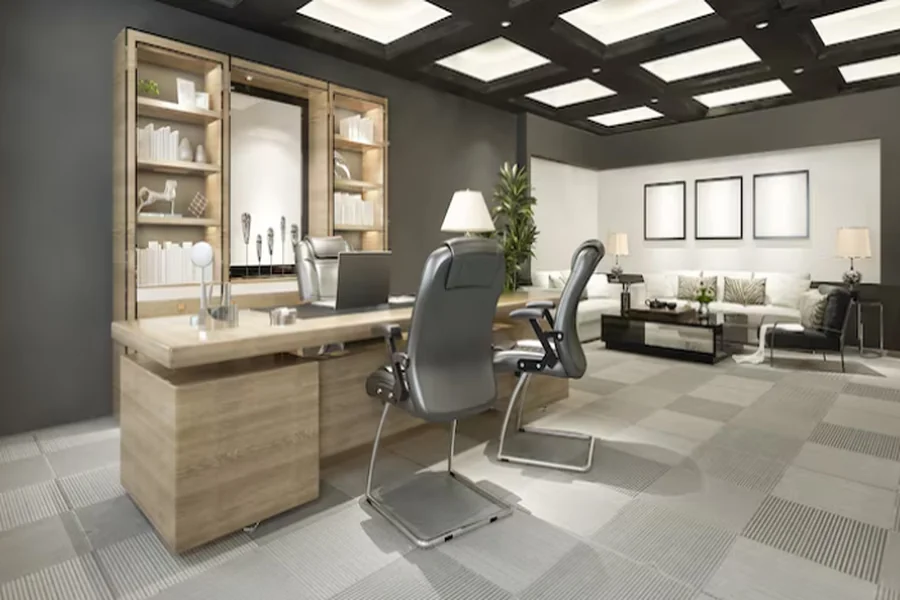
Designers may consider the placement of entrances, reception areas, workstations, meeting rooms, storage, service areas, customer zones, and staff facilities. Circulation paths should be logical and should avoid unnecessary congestion.
Flexible layouts can also provide long-term advantages. Businesses may reorganise teams, introduce new technology, or change their services over time, so adaptable spaces can help accommodate future needs.
Commercial Interior Design
Businesses looking to create or improve their premises can explore professional commercial interior design services. Working with an experienced interior design team can help businesses translate their operational requirements and brand identity into a cohesive physical environment.
A professional approach can cover important elements such as space planning, material selection, furniture, lighting, colour schemes, finishes, and overall design coordination. This can be especially valuable for businesses managing complex renovations or new commercial spaces.
Reflecting Brand Identity
A commercial interior can become a physical expression of a company’s brand. Colours, materials, signage, furniture, artwork, and architectural details can work together to create a recognisable identity.
For example, a modern technology company may prefer clean lines, contemporary finishes, and flexible collaboration areas. A boutique retailer might focus on distinctive displays and carefully selected materials to create a memorable shopping experience.
The design should remain consistent with the company’s overall branding while also serving practical requirements. A strong commercial interior combines visual identity with usability.
Lighting and Material Selection
Lighting can dramatically influence the atmosphere of a commercial environment. Bright, functional lighting may be appropriate for workplaces or retail areas, while warmer and more atmospheric lighting may suit hospitality environments.
Natural light should be considered wherever possible. Artificial lighting can then supplement natural illumination and provide appropriate visibility throughout the space.
Materials also contribute to both appearance and durability. Commercial environments often experience significant daily use, so designers should consider maintenance requirements, durability, cleaning, and expected lifespan when selecting flooring, wall finishes, furniture, and other materials.
Creating Comfortable Environments
Comfort is important for both customers and employees. Furniture should be appropriate for the intended use, while temperature, acoustics, lighting, and spatial density should be considered as part of the overall experience.
Acoustic planning can be particularly important in offices, restaurants, and other busy environments. Excessive noise can affect concentration, communication, and customer comfort.
Providing different types of spaces can also make commercial interiors more versatile. Offices, for example, may include quiet areas, meeting rooms, collaborative zones, and informal spaces.
Sustainability and Long-Term Value
Sustainability is increasingly relevant to commercial interior projects. Businesses can consider energy-efficient lighting, durable materials, responsibly sourced products, and design strategies that minimise unnecessary waste.
Long-lasting materials and adaptable layouts can also reduce the need for frequent renovations. Designing for durability may provide greater value over the lifetime of the space.
Sustainable design does not have to compromise aesthetics. Modern commercial interiors can combine environmentally conscious choices with attractive, professional finishes.
Planning a Commercial Interior Project
A successful commercial interior project requires careful coordination. Businesses should establish their objectives, budget, timeline, operational requirements, and desired aesthetic before work begins.
Clear communication between the business, interior designer, contractors, suppliers, and other professionals can help reduce misunderstandings and keep the project organised.
It is also useful to think beyond the initial appearance of the space. The finished interior should support everyday operations and remain practical as the business develops.
Conclusion
Commercial interior design is an important consideration for businesses that want to create functional, comfortable, and engaging environments. From space planning and lighting to materials, furniture, branding, acoustics, and sustainability, every design decision can contribute to the overall experience.
A well-designed commercial space can strengthen brand identity, improve workplace functionality, enhance customer experiences, and provide long-term value. By combining aesthetic vision with practical planning, businesses can create interiors that support their goals while making a positive impression on the people who use them.
Ultimately, effective commercial interior design is about creating spaces that work as well as they look. With thoughtful planning and professional expertise, a commercial environment can become a valuable extension of the business itself.