From Bystander to Helper: Your First Aid Starting Point with Coast2Coast First Aid
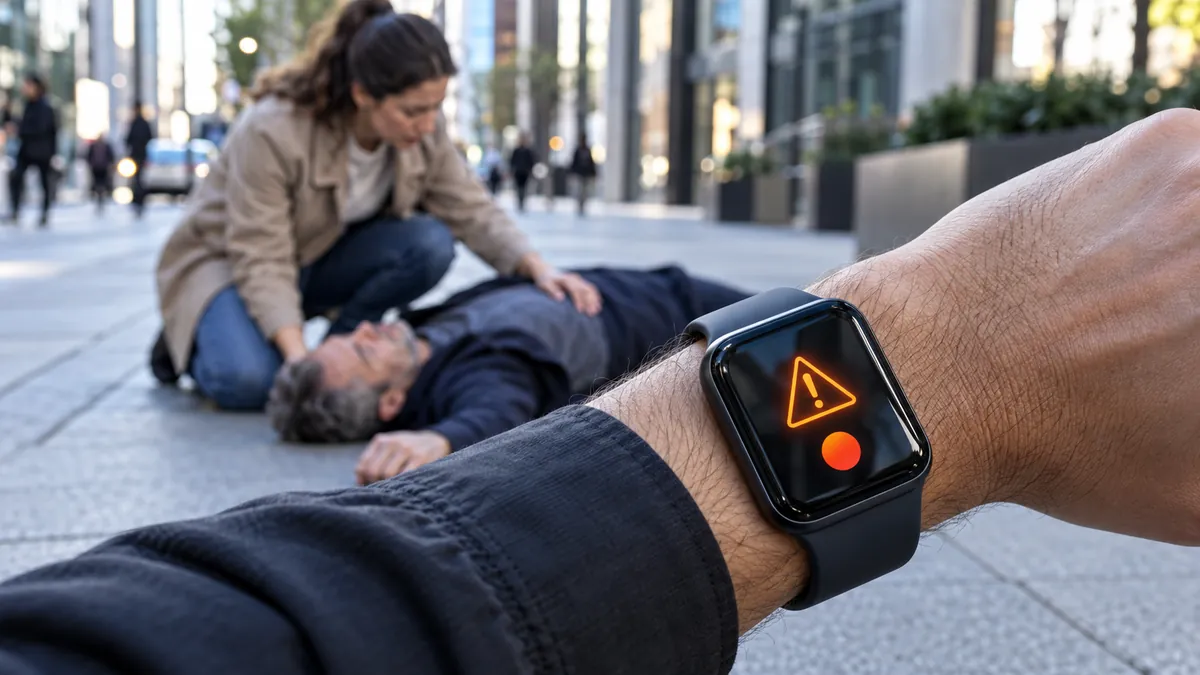
You’re at the grocery store, a family barbecue, or a quiet office hallway, and someone collapses. Your heart pounds. A dozen thoughts race at once, and the loudest one is usually, “What if I do it wrong?” That single fear keeps good people frozen on the sidelines when they could be saving a life. The truth is that the gap between a helpless bystander and a confident helper is smaller than you think, and a course in First Aid and CPR can close it in a single afternoon. You don’t need a medical degree. You need a little knowledge and the permission to act.
Most of us assume help will always come from a professional. But paramedics can’t be everywhere at once, and the most important minutes in an emergency happen long before an ambulance pulls up. That’s where you come in.
Why Does the Bystander Matter So Much?
Here’s a number that reframes everything. In Canada, there are roughly 60,000 out-of-hospital cardiac arrests every year, and only about 1 in 10 people survive. The biggest reason that number is so low isn’t a lack of hospitals or ambulances. It’s that bystanders often don’t act.
When a heart stops, survival drops by around 7 to 10 percent for every minute that passes without help. Wait for the ambulance and the odds shrink with each tick of the clock. Start CPR right away and you keep blood and oxygen moving to the brain, holding the door open until the professionals arrive.
The flip side is genuinely hopeful. CPR combined with an AED can double a person’s chance of survival. You, the ordinary person standing nearby, hold that power.
What Is the Chain of Survival?
Emergency experts describe the response to cardiac arrest as a chain, where each link makes the next one count. It’s a simple way to see where you fit.
- Recognize and call. Spot that something is seriously wrong and call 911 fast.
- Start CPR. Begin chest compressions right away to keep blood flowing.
- Use an AED. Apply a defibrillator as soon as one is available.
- Hand off to paramedics. Let advanced care take over.
- Hospital care. The medical team does the rest.
Notice that links two and three belong to you, the bystander. The chain is only as strong as its weakest link, and far too often the weak link is the moment nobody steps forward.
What Exactly Is Hands-Only CPR?
If you’ve never taken a course, the idea of CPR might feel overwhelming. Breaths, compressions, counting, it sounds like a lot. Here’s the part that relieves most people: if you’re untrained, you can do hands-only CPR, and it works.
Hands-only CPR is just chest compressions, no mouth-to-mouth required. You push hard and fast in the centre of the chest, about 100 to 120 times a minute, pressing down at least five centimetres and letting the chest come all the way back up between pushes. That’s it. Many people find it helps to push to the beat of a familiar upbeat song.
When you take a course, you’ll also learn the trained method, which adds rescue breaths in a cycle of 30 compressions to 2 breaths, along with how to help children and infants. But even the simplest version, done by a nervous first-timer, beats doing nothing every time.
How Do AEDs Take the Pressure Off?
The letters stand for automated external defibrillator, and the word “automated” is the one that matters. An AED is built for regular people. You turn it on, and a calm voice tells you exactly what to do, one step at a time.
It won’t let you shock someone who doesn’t need it. The device reads the heart’s rhythm itself and only delivers a shock when it detects one it can correct. You physically cannot “do it wrong” in the way people fear.
You’ll find AEDs mounted on walls in malls, community centres, gyms, arenas, and office buildings all over Brampton. Once you’ve handled one in a class, that wall-mounted box stops looking intimidating and starts looking like a tool you know how to use.
What If I’m Afraid of Getting Sued?
This worry comes up in nearly every class, and it deserves a straight answer. In Ontario, the Good Samaritan Act, 2001 protects people who voluntarily help someone in an emergency. As long as you’re acting in good faith and not being reckless, the law is on your side.
Think about what that protection means. The legal system has deliberately cleared a path for ordinary people to step in. The thing many of us fear most, “getting in trouble for helping,” is the thing the law specifically shields you from.
So the real risk isn’t acting. It’s hesitating. The person who tries and isn’t perfect does far more good than the person who stands back and hopes.
What Does an Afternoon Course Actually Give You?
Knowledge is one thing. Confidence is another, and confidence is what a hands-on course builds. Reading about compressions is nothing like feeling how hard you really have to push on a practice mannequin.
A good course walks you through the common situations: a collapse, a choking episode, a bad bleed, a burn. You practice each one with a trainer right beside you, correcting your form until it feels natural. By the end, your hands know what to do, which is exactly what you want when adrenaline takes over the thinking part of your brain.
Many providers now use blended learning, which means you complete the theory online at home, then come in for one short in-person session to practice the skills and get certified. It fits around work and family life, which is a big part of why busy Brampton professionals and parents find it so manageable. Finding Coast2Coast First Aid near you is often as simple as booking the next available weekend seat.
Who Should Take a Course?
Honestly? Almost everyone. But a few groups have especially good reasons.
- Parents and grandparents, because kids choke, fall, and get into trouble, and knowing infant and child CPR brings real peace of mind.
- Workplace teams, because Ontario workplaces need trained first aiders on every shift.
- Coaches, instructors, and volunteers, because they’re responsible for groups of people.
- Anyone who’s ever felt helpless watching an emergency unfold and wished they’d known what to do.
The common thread is simple. Emergencies don’t schedule themselves for convenient moments, and they rarely happen where a professional is already standing. They happen at home, on the sidewalk, and in the break room, surrounded by ordinary people like you.
What Does First Aid Cover Beyond CPR?
CPR gets the spotlight, and rightly so, but a full course arms you for the everyday scrapes and scares that are far more common than a cardiac arrest. Most of us will use these skills long before we ever face a collapse.
You’ll learn how to control serious bleeding with firm, direct pressure, and how to tell a cut that needs stitches from one you can manage at home. You’ll cover burns, including why cool running water beats the old kitchen remedies people still swear by. Choking response for adults, children, and infants is in there too, which is a lifesaver for parents at the dinner table.
A good course also teaches you how to recognize the big, time-sensitive events, the signs of a stroke, a severe allergic reaction, or a diabetic emergency, and what to do while help is on the way. Knowing when to call 911 and what to say is a skill in itself, and it speeds up everything that follows.
How Do You Keep Your Skills Sharp?
Here’s an honest truth about first aid: skills fade if you never use them. The confidence you build in a course is real, but it drifts over time, which is one reason certifications in Ontario are valid for three years rather than forever.
The fix is simple. Refresh before your card expires rather than after, and you’ll rebuild the muscle memory while it’s still fresh. A few people even retake a course sooner, especially new parents or anyone who’s changed jobs into a role with more responsibility.
Small habits help between courses too. Notice where the AEDs are mounted in the buildings you visit. Mentally rehearse the chain of survival now and then. Talk your family through the basics so you’re not the only prepared person under your roof. Preparedness isn’t a certificate on a wall. It’s a mindset you keep alive, and it turns a nervous bystander into someone who steps forward without hesitation.
If you are looking for CPR and first aid training near Kennedy Road South near Queen Street, the Bramalea City Centre area, or surrounding areas, you may reach out to Coast2Coast First Aid & Aquatics in that area.
Frequently Asked Questions
Q: I’ve never done anything medical. Can I really learn CPR in one afternoon?
A: Yes. First aid and CPR courses are designed for complete beginners. With blended learning, you cover the theory online beforehand, then spend one short in-person session practicing on a mannequin with a trainer guiding your hands. Most people walk out feeling far more confident than they expected, because the skills are simpler and more forgiving than they look.
Q: What if I push too hard or crack a rib during CPR?
A: It can happen, and it’s not a reason to hold back. A cracked rib heals, but a brain starved of oxygen does not. Trained rescuers are taught to push hard and deep because effective compressions are what keep someone alive. Doing something is always better than doing nothing when a heart has stopped.
Q: Am I legally protected if I help and something goes wrong?
A: In Ontario, the Good Samaritan Act, 2001 protects people who voluntarily help in an emergency, as long as they act in good faith and aren’t grossly negligent. The law is specifically designed to encourage bystanders to step in, so the fear of being sued for helping is largely unfounded.
Q: Do I need a course to use an AED?
A: No. AEDs are built for anyone to use and provide spoken, step-by-step instructions. The device analyzes the heart rhythm and only delivers a shock if one is needed. That said, taking a course lets you handle one beforehand, which removes the hesitation so you’ll act faster when it counts.
Q: Is hands-only CPR really enough?
A: For an untrained bystander responding to an adult, hands-only CPR is both effective and recommended. Pushing hard and fast in the centre of the chest keeps blood circulating until help arrives. A full course adds rescue breaths and techniques for children and infants, but starting compressions immediately is the most important thing you can do.