
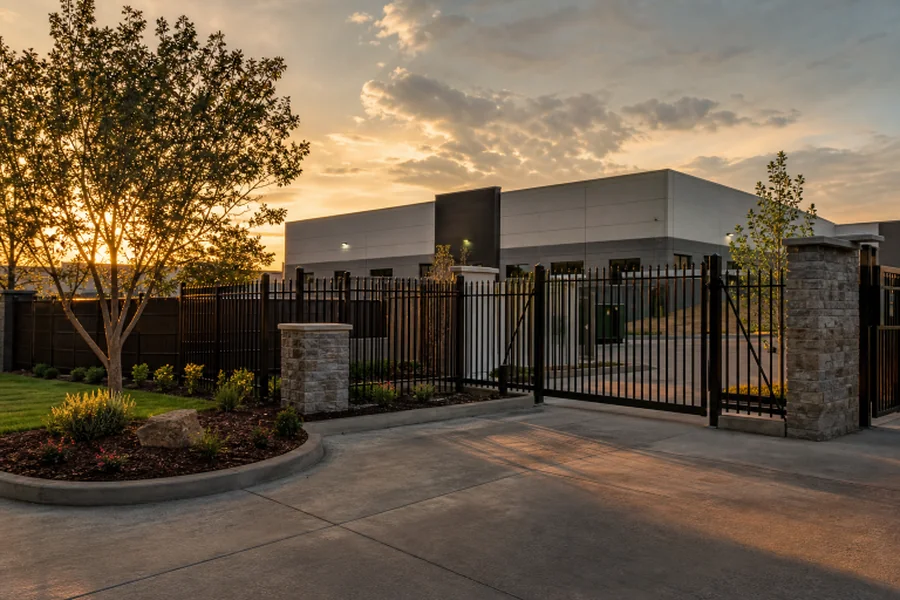
Commercial Fence Planning for Security, Access, and Weather in the Southeast
Key Takeaways
- Commercial fencing should support security, safety, traffic flow, and day-to-day operations.
- Southeast properties need plans that account for humidity, heavy rain, wind, storms, and changing soil conditions.
- Material selection matters, but gates, access control, drainage, and maintenance are equally important.
- A clear scope and routine inspections can prevent avoidable repairs, access issues, and security gaps.
A commercial fence is not simply a line around a property. It can protect equipment, direct visitors, secure restricted areas, screen service operations, and help employees move safely through a site. For businesses planning projects in the Carolinas and nearby Southeast markets, fence contractor North Carolina Triangle Fence is a family-owned commercial and industrial fencing company based in North Carolina, with experience serving North Carolina, South Carolina, Tennessee, and Virginia. Its focus on commercial and industrial fencing makes site-specific planning especially important for facilities with demanding security and access needs.
The right system depends on how the property works. A warehouse with loading docks needs different gate locations and impact protection than a retail center, apartment community, school, sports complex, storage yard, or utility site. Planning around the actual use of the property helps prevent a fence from becoming an obstacle to deliveries, emergency access, or future expansion.
Start With Clear Project Goals
Before choosing a material or requesting proposals, define what the fence must accomplish. A practical plan should address several goals at once:
- Security:Determine whether the perimeter should discourage trespassing, delay unauthorized entry, or protect high-value assets.
- Privacy:Identify areas that need screening, such as dumpsters, generators, inventory, work yards, or HVAC equipment.
- Safety:Note hazards near roads, pools, playgrounds, machinery, retaining walls, and pedestrian routes.
- Traffic control:Map employee entrances, visitor parking, truck turning areas, delivery lanes, and emergency routes.
- Appearance:Consider the building style, street visibility, neighboring properties, and landscaping.
- Maintenance:Set realistic expectations for cleaning, coating repairs, hardware service, and inspections.
Compare Commercial Fence Materials
Chain Link Fencing
Chain link is a common choice for warehouses, athletic facilities, construction sites, storage yards, and large commercial perimeters. It provides visibility, works well over long runs, and can be specified with galvanized or vinyl-coated finishes. Fabric gauge, framework size, post spacing, footing depth, and gate construction all affect how well it performs. Privacy slats or security toppings may be appropriate where permitted, but they also increase wind load.
Steel, Ornamental, And Aluminum Fencing
Steel and ornamental systems can provide a strong, polished appearance for offices, apartment communities, schools, public facilities, and prominent entrances. Aluminum is lighter and naturally resistant to corrosion, making it useful where open sightlines and lower upkeep matter. On either system, inspect coatings, welds, fasteners, hinges, and low areas where water may collect.
Vinyl And Wood Fencing
Vinyl and wood are often selected for privacy, screening, or a warmer visual style. Wood needs regular attention for moisture, insects, staining, splitting, and surface wear. Vinyl reduces painting and staining work, but panels, posts, and gates must still be installed correctly and cleaned periodically. Neither material is automatically the best option for high-impact industrial areas.
Plan For Southeast Weather And Site Conditions
Humidity, rain, saturated soil, and storm exposure can shorten a fence’s service life when they are not considered during design. Corrosion can spread from damaged coatings, wood can retain moisture, and poorly drained ground can loosen posts or wash soil away from the fence line. Coastal locations also need additional attention to salt exposure and protective finishes.
Review drainage paths, low spots, slopes, trees, roots, curbs, pavement, retaining walls, and wind exposure before installation. A sloped site may require stepped fence sections, racked panels, adjusted post heights, or grading changes. Gates deserve special attention because uneven ground and standing water can interfere with their swing, slide path, rollers, and latches.
Design Gates Around Daily Operations
A strong perimeter is less useful if trucks cannot turn into the site, employees struggle to enter, or emergency responders face a blocked route. Identify the largest vehicle expected at each entrance, then establish the required opening width, approach space, turning radius, and gate type. Sliding gates can save room where swing clearance is limited, while swing gates may fit lower-traffic entrances with adequate space.
Also, decide how access will work during normal hours, after hours, during power outages, and during maintenance events. Keys, keypad entry, card readers, intercoms, remote controls, manual releases, and pedestrian gates should all be selected as part of the same plan. Routine checks of moving hardware are essential because loose hinges, worn rollers, damaged latches, and misaligned operators can quickly become security or safety concerns.
Confirm Boundaries, Utilities, And Local Requirements
Confirm the property boundary before setting posts, especially near shared lines, easements, road rights-of-way, and drainage areas. Fence height, setbacks, corner visibility, design standards, and permit requirements can vary by municipality and zoning district. Coordinate early with the owner, landlord, civil engineer, general contractor, and utility representatives when the project affects a larger construction plan.
Before excavation begins, use the utility-locate process for professional excavators to provide the dig location, dimensions, contact information, and work description. Marked utilities do not eliminate the need for careful digging, but they are an essential part of reducing avoidable damage and delays.
Build Security In Layers
Fencing works best as one part of a broader perimeter strategy. Lighting can reduce dark corners near gates. Trimmed landscaping helps maintain clear camera views and sightlines. Gates should be placed where staff, cameras, or security personnel can monitor them. Higher-risk sites may also need anti-climb features, controlled access, intrusion detection, vehicle barriers, or separate pedestrian circulation. Aligning physical barriers with active surveillance helps ensure that site boundaries remain secure around the clock. Integrating monitored access controls alongside physical barriers allows property managers to track entry points effectively. Facilities seeking broader surveillance options often consult services like www.nexussecurityfirm.com to evaluate total site coverage and coordinate physical barriers with electronic monitoring systems.
Privacy screening should be used carefully. It can hide equipment and service areas, but it can also create concealed spaces if placed where staff and cameras cannot see behind it. Keep emergency routes visible, clearly marked, and free of stored materials.
Request A Detailed Scope And Maintenance Plan
A commercial proposal should identify the fence type, height, color, material grade, posts, footings, spacing, gate hardware, removal of old materials, site preparation, permit responsibilities, schedule, weather-delay procedures, warranty, and change-order process. Clear details make it easier to compare bids and reduce surprises after work starts.
Routine Inspection Schedule
- Monthly:Check for open gates, loose latches, leaning posts, damaged fabric, and impact damage near loading areas or dumpsters.
- Seasonally:Look for rust, coating damage, standing water, washout, vegetation pressure, and gate hardware wear. Inspect after major storms or flooding.
- Annually:Compare the fence against current security and traffic needs, repair small failures early, and update access credentials or keys.
Conclusion
A well-planned commercial fence supports the entire property, not just its perimeter. By defining goals, reviewing site conditions, selecting suitable materials, designing reliable gates, confirming local requirements, and maintaining the system over time, property owners can create a fence that improves security, access, safety, and long-term value.