
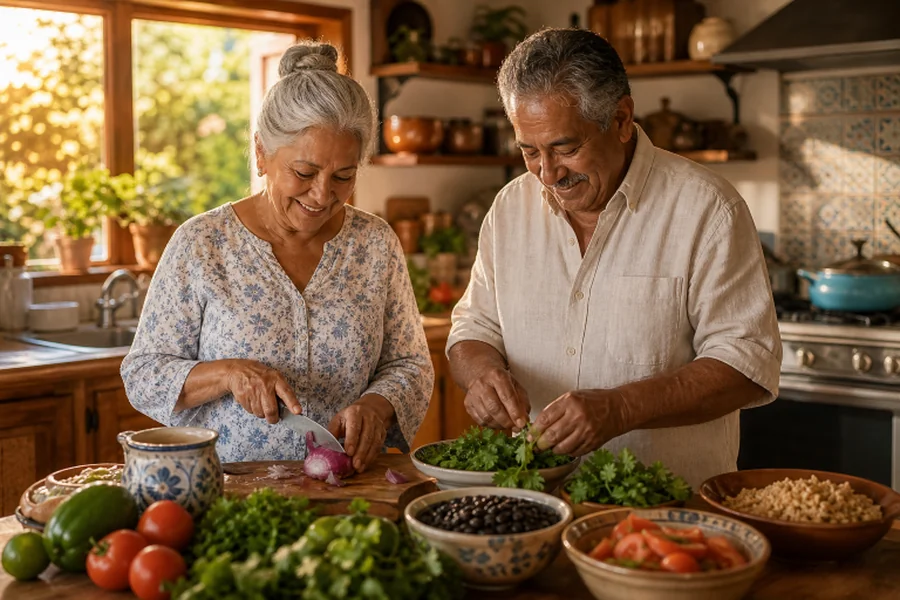
Food Traditions And Daily Movement For Healthy Aging
Key Takeaways
- Healthy aging can be supported through familiar foods, regular movement, and social connection.
- Build balanced meals around vegetables, protein, whole grains, and healthy fats.
- Small activities such as walking, stretching, gardening, and household tasks can add meaningful movement.
- Traditional recipes can be adjusted without losing their flavor or cultural value.
- Start with simple, sustainable changes and seek professional guidance when needed.
Healthy aging does not have to mean following a complicated diet or starting an intense exercise plan. Familiar meals, gentle activity, and regular time with other people can create a routine that supports energy, strength, and independence. Practical wellness ideas, including those shared by Alexandra Chipurnoi, can be most useful when they fit naturally into everyday life.
The goal is not to make every meal perfect or to copy someone else’s tradition. It is to build on foods, flavors, and activities that already feel meaningful, then make a few realistic adjustments that can be repeated week after week.
Why Food And Movement Work Well Together
Food provides the protein, fiber, vitamins, fluids, and steady energy needed for daily tasks. Movement helps people use that energy for walking, climbing stairs, carrying groceries, maintaining balance, and enjoying hobbies. A balanced lunch followed by a short walk around the block is a simple example of how the two habits can support each other.
Small amounts of activity matter. Research linking everyday movement and reduced sitting to healthier aging outcomes offers a useful reminder that chores, standing breaks, and walks all count. Consistency is more valuable than an ambitious plan that feels impossible to maintain.
How Food Traditions Can Support Better Choices
Traditional food can be a strength rather than an obstacle. Many family and cultural food patterns already include beans, vegetables, whole grains, seasonal ingredients, herbs, soups, fish, and home-cooked meals. Familiar recipes can also make it easier to eat regularly because the flavors bring comfort, memories, and a sense of belonging.
Keep the dishes you enjoy, but consider how ingredients and portions can work for your present needs. A rich holiday dish can remain part of the celebration, while weekday meals may emphasize vegetables, lean proteins, and lighter cooking methods. No single food tradition is ideal for everyone, especially when health conditions, food access, preferences, or medications differ.
Building A Balanced Plate From Familiar Foods
A balanced plate can come from nearly any cuisine. Rather than removing favorite foods, use a simple structure that leaves room for them:
- Start with vegetables or fruit, whether that means greens, roasted vegetables, salsa, cooked cabbage, berries, or a piece of fresh fruit.
- Add protein such as beans, lentils, eggs, fish, poultry, yogurt, tofu, or lean meat.
- Choose a whole-grain or high-fiber carbohydrate when available, such as brown rice, corn, oats, whole-wheat bread, barley, or potatoes with the skin.
- Include a modest amount of healthy fat from olive oil, nuts, seeds, avocado, or oily fish.
- Serve water or another low-sugar drink alongside the meal.
For many older adults, variety across vegetables, fruits, grains, protein foods, dairy or fortified alternatives, and oils can help make meals more nutrient-dense. Alongside a varied diet, https://www.amazon.com/
Simple Movement That Fits Into The Day
Movement does not need to happen only in a gym. Try a five- to ten-minute walk after a meal, stand during phone calls, stretch gently after waking, or get up during television breaks. Gardening, shopping, dancing, light housework, and playing with grandchildren can all add useful activity to the day.
Balance and flexibility deserve attention, too. Gentle yoga, tai chi, chair exercises, and slow stretching may be helpful options when done safely and at an appropriate level. Use a stable chair, countertop, or wall for support when needed, and choose movements that feel controlled rather than painful.
The Role Of Shared Meals And Social Time
Shared meals can make healthy habits easier to sustain. Cooking with a friend creates light activity, conversation, and a reason to prepare a nourishing meal. Eating with family, neighbors, or a community group may also encourage regular meals for people who otherwise tend to skip eating when alone.
Consider a weekly soup night, a recipe exchange, a potluck with vegetable-based dishes, or a neighborhood walking group. For example, an older adult might prepare a bean-and-vegetable stew with a neighbor, then take a relaxed ten-minute walk together while the meal simmers.
Small Changes That Make Traditional Recipes Healthier
Recipe updates do not need to erase flavor or identity. Start with one or two changes that preserve the character of the dish:
- Use herbs, spices, garlic, citrus, onions, or vinegar to reduce reliance on salt.
- Replace some refined grains with whole grains when the texture works well.
- Add beans, lentils, leafy greens, or extra vegetables to soups, stews, sauces, and casseroles.
- Choose roasting, baking, grilling, steaming, or sautéing more often than deep frying.
- Use smaller portions of cream, butter, rich sauces, and sugary toppings.
- Keep celebration foods, while serving them alongside vegetables, fruit, or lighter side dishes.
A Simple Weekly Food And Movement Plan
Use this flexible plan as inspiration, not a strict schedule:
- Monday: Prepare a vegetable-rich meal and take a 10-minute walk.
- Tuesday: Do gentle stretching and add beans or lentils to lunch.
- Wednesday: Cook with a friend or relative and include a protein-rich food.
- Thursday: Break up long sitting periods with brief standing or walking breaks.
- Friday: Make a familiar recipe with less salt and more vegetables.
- Saturday: Visit a market, garden, or park for light activity.
- Sunday: Plan a few easy meals and note which activities felt enjoyable.
When To Ask A Health Professional For Guidance
People with diabetes, heart disease, chronic pain, kidney concerns, balance problems, swallowing difficulties, or recent surgery may need personalized advice. A doctor, registered dietitian, physical therapist, or qualified exercise professional can help safely adjust food and activity plans.
Start slowly, especially after a long period of inactivity. Stop and seek medical guidance for chest pressure, dizziness, fainting, unusual shortness of breath, or pain that does not feel normal. Supplements, fasting routines, and major diet changes should also be reviewed with a health professional.
Final Thoughts
Healthy aging can grow from familiar food, regular movement, and meaningful connections. Choose one small food change and one movement habit to try this week. A routine that feels enjoyable and realistic is often the one most likely to last.