
When Your Dog Comes Home After Surgery: What Should You Change First?
Bringing your dog home after surgery can be reassuring, but it also shifts much of the recovery process into your hands. A dog that normally wanders freely through the house may temporarily need a much smaller world, with fewer stairs, no jumping, controlled outdoor trips, and a comfortable place to rest.
The exact restrictions depend on the procedure and your veterinarian’s instructions. Still, preparing the home around reduced movement can make those first days considerably easier. The priority is not redesigning everything. It is removing the everyday situations most likely to interfere with a safe recovery.
Create a Small Recovery Area First
The first change should usually be deciding where your dog will spend most of its time.
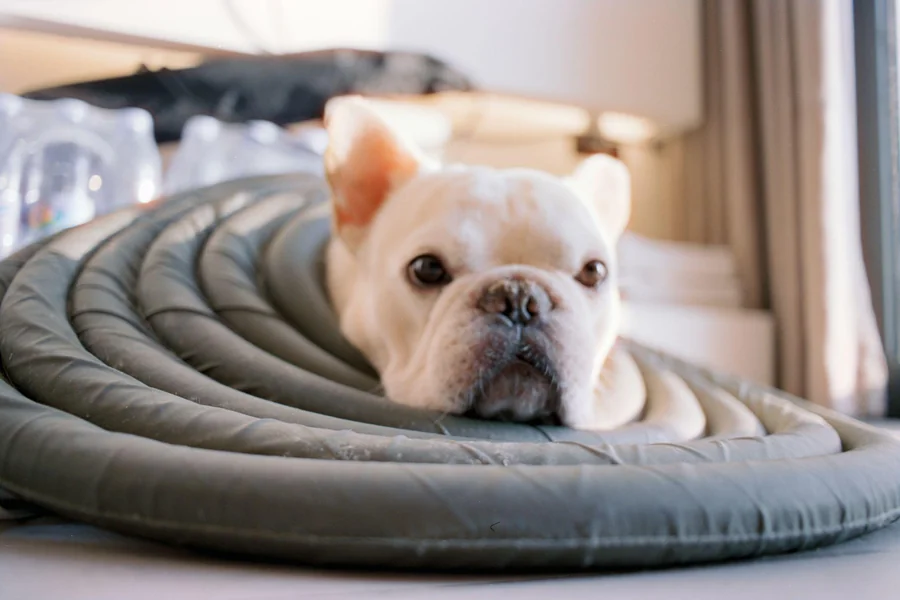
Choose a quiet, comfortable area where movement can be controlled and where your dog can rest without constantly reacting to visitors, children, or other pets. Depending on veterinary instructions, that could mean a crate, pen, or small gated section of a room.
Keep bedding, water, and other necessities easy to reach so your dog does not need to repeatedly stand or cross the room unnecessarily.
For dogs whose surgery temporarily or permanently affects their ability to walk, mobility assistance may eventually become part of the recovery plan. A https://walkinpets.com/ provides mobility equipment for medium-sized dogs, including wheelchairs intended to support movement when the rear or front legs cannot provide their usual level of support.
Any post-surgical mobility equipment should be introduced according to professional guidance and the specific recovery plan rather than simply because a dog is eager to start moving again.
Make Slippery Floors Easier to Cross
Hardwood, laminate, and tile can become surprisingly difficult after surgery. A dog that is sore, weak, bandaged, or still regaining normal coordination may struggle to maintain traction.
You do not necessarily need to cover the entire house. Concentrate on the short routes the dog actually needs.
Secure runners or non-slip mats can create traction between the recovery area and the door used for bathroom trips. Pay particular attention to turns, doorways, and anywhere the dog needs to transition between surfaces.
Loose rugs can create another hazard, so anything added should remain securely in place.
Block Access to Stairs and Furniture
A dog feeling better is not necessarily a dog that has finished healing. This can become a problem when normal habits return faster than the body is ready for them.
A familiar sofa may invite an automatic jump. Hearing someone upstairs may trigger a dash toward the staircase. Another pet initiating play can produce sudden movements before anyone has time to intervene.
Temporary barriers can remove those decisions altogether. Block stairs where appropriate and prevent access to furniture the dog normally jumps onto.
If getting outside normally requires navigating steps, ask the veterinary team how those transitions should be handled. Depending on the surgery and dog’s size, the appropriate solution might involve assistance, a temporary ramp, or another controlled method.Dogs that also have arthritis may find steps even harder during recovery, and if you are considering the best CBD for dogs with arthritis, ask your veterinarian whether it is compatible with prescribed medication and the recovery plan.
Rethink Bathroom Trips
For a healthy dog, opening the back door may be enough. After surgery, bathroom breaks often need to become much more controlled.
Keep a leash close to the recovery area rather than searching for one whenever the dog needs to go outside. Choose the shortest practical route to an appropriate toileting spot and avoid turning the trip into a normal walk unless the veterinarian has specifically approved additional exercise.
This becomes particularly important when the dog begins feeling energetic again. The backyard may look like an invitation to run even though physical restrictions remain in place.
If possible, keep the route flat and predictable. A short, controlled trip is much easier to manage than navigating an entire garden or negotiating unnecessary steps.
Move Everyday Necessities Closer
Temporary changes to the household layout can eliminate a surprising amount of unnecessary movement.
If water normally sits in the kitchen but the recovery area is elsewhere, provide accessible water closer to the dog. If the usual bed is upstairs, create a temporary sleeping space on the recovery level.
Think about everything the dog ordinarily moves around the house to access and decide what can temporarily come to the dog instead.
This does not mean encouraging complete inactivity beyond veterinary instructions. It simply prevents ordinary necessities from forcing extra movement during a period when activity may need to be carefully controlled.
Keep Other Pets From Turning Recovery Into Playtime
A recovering dog may be perfectly willing to play before doing so is appropriate.
Another dog can make activity restriction particularly difficult. A few seconds of chasing, wrestling, or excited greeting can involve exactly the jumping, twisting, and sudden acceleration you are trying to prevent.
Temporary separation may therefore be necessary, especially when nobody is directly supervising the animals.
That does not necessarily mean complete social isolation. Calm, controlled interaction may be possible depending on the circumstances. The important point is that the recovering dog should not have repeated opportunities to become unexpectedly active.
Make Medication and Incision Checks Routine
Recovery becomes easier to manage when important tasks happen according to a predictable system.
Keep prescribed medication organized and follow the veterinary team’s instructions exactly. Choose regular moments to look at the incision so you become familiar with its appearance and can notice changes.
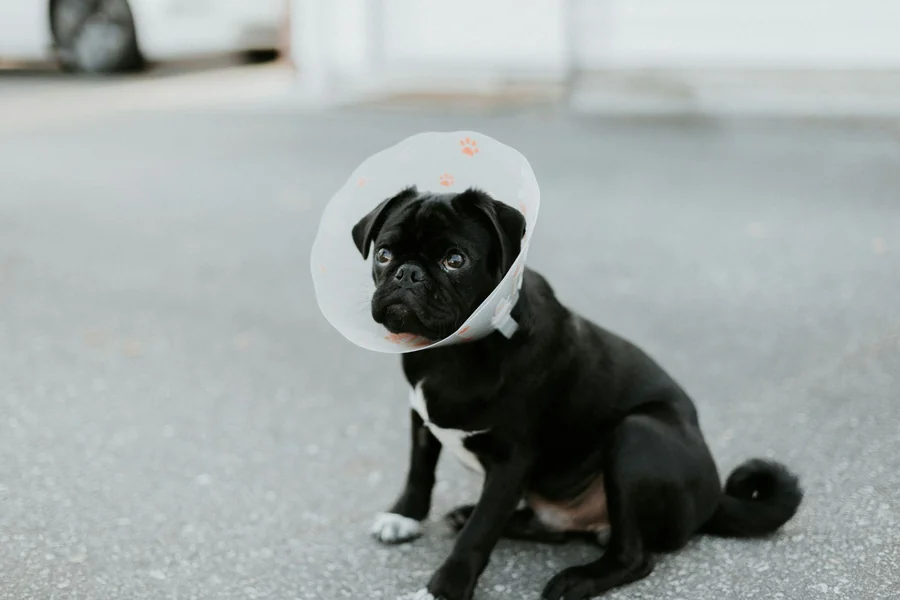
Prevent licking or chewing according to the discharge instructions, including using an Elizabethan collar or other protection when prescribed. Contact the veterinary team if you notice concerning changes such as increasing redness or swelling, discharge, an opening incision, unexpected pain, or anything else specifically identified in the dog’s discharge instructions.
Keeping a simple written medication schedule can also prevent confusion when several people share responsibility for care.
Don’t Rush to Restore the Old Routine
One of the hardest parts of recovery can arrive when the dog starts acting normal again.
More energy may appear before tissues have fully healed. A dog that suddenly wants to run, climb stairs, or jump onto the sofa can look ready for normal activity while still requiring restrictions.
Follow the recovery timeline provided for the particular procedure and increase activity only as directed. Some surgeries involve relatively short restrictions, while orthopedic, spinal, and other major procedures can require much longer and more structured rehabilitation.
The temporary inconvenience of moving rugs, blocking stairs, relocating beds, and supervising bathroom trips serves a specific purpose. Your home is being adapted to the dog you have during recovery rather than the dog you expect to have once healing is complete.
As mobility returns, those changes can gradually disappear. Until then, making the safe choice the easiest choice can remove many of the everyday opportunities for a recovering dog to accidentally do too much.