
How Minimalism Can Improve Your Lifestyle
What Is the Benefit of Minimalism on Your Life?
It’s a crowded life in the modern world. We’re taking in more content, completing more tasks, and getting caught up in more distractions than ever before. Lots of individuals feel weary not because they aren’t doing enough, but because they are doing too much. As people seek for a more balanced and simple lifestyle, they ask themselves, how can Minimalism improve your lifestyle? Minimalism is not lack of things or the giving up of things you enjoy. It’s more about keeping things that are important and eliminating those that are of no significance.
A minimalist lifestyle aids individuals think better about their time, cash, room and energy. Minimalism can make life feel more organized and in control by decluttering and making space available for more important experiences. It’s a realistic solution that can enhance the quality of life without necessarily turning it upside down.
What Is Minimalism? And Why Does It Matter?
Minimalism is a way of life that promotes keeping minimal amounts of items that are needed, used, and are of value to the individual. It’s about quality rather than quantity, and it assists people to be more conscious about their choices.
The concept of minimalism extends beyond the physical items and often is equated with a clean home and less stuff. It also extends to digital habits, relationships, commitments and personal goals. Minimalism can be achieved by cutting down on distractions online; saying no to activities that deplete energy; or having a routine that helps one with their priorities.
The priority is to eliminate what doesn’t add value and to create space for what does.
Look at How Minimalism Can Help You Improve Your Lifestyle
Minimalism can change your life for the better by allowing you to concentrate on the aspects that add value to your life. Removing distractions frees up time and energy to work on your goals, relationships, and personal development.
A clean and tidy environment can often result in a clear and tidy mind. If your house is cluttered with things you don’t use frequently, it can be more difficult to unwind and organize. A minimalist design will help you realize a space where everything serves a purpose.
For instance, if you have dozens of garments that you don’t use very often, you can create a basic wardrobe using clothes that you enjoy wearing. When you are stressed out, you don’t have to purchase anything new, though; you can go for a walk, read, watch a movie, and so on with family and friends.
Minimalism allows you to become more aware of your decisions.
Living a Minimalist Lifestyle Can Offer Numerous Benefits
There are many advantages to leading a minimalist life.
1. When You’re Less Stressed, You’re More at Peace
With less stress, you’re more at peace.
One of the advantages of minimalism is that it can help to lower down the stress of the day. Life can be overwhelming if it’s filled with too many items, responsibilities, and distractions.
A tidier and more organised room can make for a more peaceful atmosphere. Once you know where everything is and only have things that matter, daily tasks are easier.
Minimalism also helps clarity of thought. This will give you more time to invest in things that will make you happy and healthy.
2. Better Financial Decisions
Minimalism can also help you to have a better relationship with money. A lot of people have expensive purchases to fall for trends, advertisements or peer pressure.
This habit of a minimalist mindset will promote mindful spending. When buying a new product, you begin to ask the following questions:
- Is this absolutely necessary for me?
- Will it help to make my life better?
- Do I need this or am I purchasing it for temporary gratification?
Here are some questions to help avoid superfluous spending and put more money toward other priorities, like travel, education or future plans.
3. More Time for Important Things
One of the most precious resources we have is time. Minimalism helps you preserve your time by directing your energies towards priorities.
This will allow you to free up time for meaningful activities that you might have previously spent on organizing, cleaning, shopping for the unnecessary.
The additional time can be used for skills development, the enjoyment of hobbies, enhanced relationships, or a good rest.
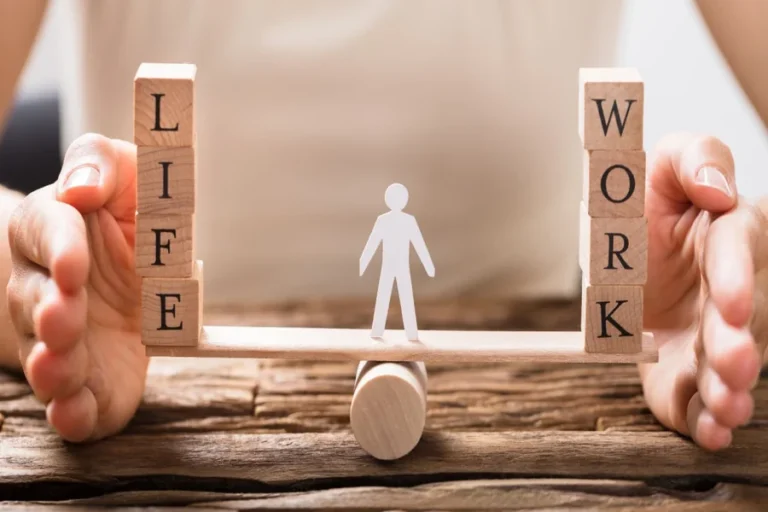
A simpler schedule is more likely to result in a better work/life balance.
4. Enhance Focus and Productivity
Distractions are everywhere. Phones, social media, endless notifications and other tasks can make it hard to focus.
Minimalism helps you to eliminate distractions and create a focused space. This will make things easier to accomplish quickly and remain focused.
To keep the workspace simple, for instance, can help focus on important projects. Keeping digital clutter to a minimum by getting rid of unused apps and unnecessary emails can help boost productivity as well.
A clean environment can help keep a clear mind.
If You Want to Learn About Living in a Minimalist Way but Don’t Know Where to Begin, Here Are Some Simple Tips
It’s not an “all-or-nothing” thing to do. Little things can make a big difference.
Begin one area of your life. This could be a closet, a desk, your phone, or your daily schedule.
Take these easy measures:
- Get rid of things you don’t need.
- Don’t purchase things for no specific reason.
- Keep your home well organized.
- Cut back on activities that are not in line with goals.
- Emphasize experiences rather than acquiring items.
- Establish a basic homework schedule.
The important thing to remember is to take a decision that suits your need. The concept of minimalism varies from person to person. Some things are successful for some people, and not for others.
The Meaning of Minimalism Is to Live Intentionally
Minimalism is often confused with deprivation and some think of it as a “no pain, no gain” approach to design. Minimalism isn’t about minimizing things for the sake of minimizing things, however. It’s about creating space for things that are important.
Minimalism doesn’t mean no hobbies, no travel, no technology, and no personal interests. The difference is that they make choices and not follow habits or trends.
When you are intentional about your life, you’re able to use your energy for things that will make you happy.
Minimalism Can Lead to Lasting Changes in Lifestyle
Minimalism can help to bring about life changes that can last.
Minimalism does not come easily. It is a way of thinking that will take time to cultivate. You learn to recognise what is helpful and what is not as you practise it so it becomes easier.
As time goes on, you might see changes in a number of areas:
- At home, you feel your house is easier to take care of.
- You start spending less.
- Your daily routine is less hectic.
- Your objectives are clear.
- The choices you make every day are more significant.
These changes can help to make lifestyle more balanced and manageable.
Final Thoughts
It’s not necessarily a principle of owning less, alone. It’s about building a life where your time, energy and focus is spent on what matters most. When you feel how much less cluttered your life is, how much easier it is to concentrate, and how much more intentional your choices, it’s easy to see how much better your life can be with less.
With a few adjustments and the elimination of superfluous diversions, you can create a lifestyle that is more straightforward and satisfying. Minimalism isn’t about “not having enough. It’s all about creating room for more that’s important.