Latest Technology Trends Changing the Digital World
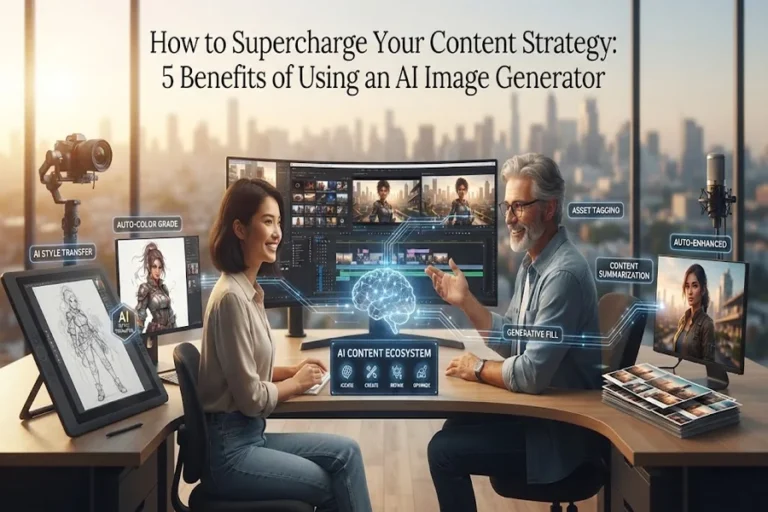
Technology is changing rapidly, changing the way in which we communicate, work, learn, shop, and enjoy our leisure time. New innovations continuously change the industries and provide amazing opportunities to businesses and individuals every year. Everything from artificial intelligence to cloud computing, the wonders are certainly helping to make everyday tasks quicker, smarter and more efficient.
It’s not just IT folks anymore who are expected to have the latest knowledge of technology trends. By keeping informed about new technologies, students, business owners and employees can help, and even consumers can. With digital transformation occurring in each industry, understanding these trends can prepare them for the future and make informed decisions.
In this article, we’ll look at some of the newest trends in technology that are impacting the digital landscape and how they are affecting our everyday lives.
Artificial Intelligence Is Becoming More Powerful
Artificial Intelligence (AI) is certainly among the most significant pillars of digital transformation. AI is a term used for computer systems that can do tasks that normally need human intelligence, like recognising images, comprehending language, fixing problems and making choices.
The uses of AI in customer support range from chatbots to personalized recommendations on streaming services, fraud prevention in banking, and medical diagnosis. AI is also being leveraged by companies for repetitive tasks, big data analysis, and customer experience enhancement.
This is where Generative AI has caught the attention, as it can generate text, images, videos and even computer code in an instant. This technology is making their way into the lives of professionals, making them more productive, and into the world of education, marketing, medical and software development ones.
While AI has numerous advantages, it’s equally crucial to use it responsibly. There are ongoing efforts to enhance transparency, privacy, and fairness to ensure that AI technologies are used ethically within organizations.
Cloud Computing and Cybersecurity Continue to Grow
Cloud computing has revolutionized data and software management in the business world. Organizations no longer store files and applications on local computers—now employees can view these securely from anywhere with an internet connection.
This flexibility encourages remote working, enhances collaboration, and decreases infrastructure expenses. Cloud services are particularly useful for small businesses, as they avoid significant expenses for buying physical equipment to expand the business.
As digital systems are increasingly interconnected, so must be cybersecurity. The attack surface for cyber threats, like phishing, ransomware, and data leaks is growing, and robust security measures are key.
Businesses are adopting state-of-the-art security technologies such as AI-driven threat detection, two-factor authentication, encrypted communications, and real-time monitoring. Users should also take precautions such as using robust passwords, two factor authentication, regularly updating software and being careful when using the Internet.
Cloud computing and cybersecurity are inextricably linked, with the former providing the platform for the latter to ensure secure and efficient operations.
The Internet of Things and Smart Devices Are Expanding
The Internet of Things (IoT) is a concept in which common run-of-the-mill devices are connected to the internet and share and gather data. Examples of IoT applications include smart home, wearable fitness trackers, connected vehicles, industrial sensors and smart city technologies.
Such linked devices promote ease and efficiency in numerous ways. Smart thermostats can program room temperature, fitness trackers can keep an eye on health, and connected appliances can facilitate chores around the house. In the manufacturing sector, these IoT sensors can be used to proactively identify equipment failures, thus lowering maintenance expenses and downtimes.
Another industry that has benefitted from IoT technology is healthcare. The remote patient monitoring will reduce the need to visit the hospital often to monitor the health condition of the patient. This not only enhances patient services but also lowers healthcare costs.
With an increasing number of devices becoming connected, data security and user privacy are of paramount importance. Manufacturers are still working on increasingly robust security features to safeguard connected systems against cyber threats.
5G, Automation, and Smart Business Solutions
The deployment of 5G network is greatly enhancing the internet’s speed, reliability, and connectivity. 5G can offer a higher speed of download, a reduced lag time and improved performance for connected devices, compared to previous mobile network generations.
The technology can be used for developing innovations like autonomous vehicles, smart factories, virtual reality experiences, and real-time remote collaboration. Transferring large quantities of data can be done quickly and advanced applications with high-speed communications can be supported.
“Businesses embracing new technologies can use a free logo maker online to create modern branding for their digital products and services.”
A second trend changing workplaces is automation. Companies are automating repetitive business processes allowing employees to concentrate on their creative thinking, customer relationship and strategic planning.
Organizations benefit from Reduced Errors, Higher Productivity, and Lower Operations Costs with Robotic Process Automation (RPA), AI-powered Workflows, and Intelligent Software Tools. Digital tools are cost-effective enough to help SMBs implement automation solutions too, which was a privilege long reserved to large corporations.
The trend of digital transformation is prompting businesses to integrate automation, cloud computing, analytics, and AI into all of their business solutions, which boost efficiency and competitiveness.
Final Thought
The current technology trends play a critical role in transforming the digital world even in a greater rate compared to that seen in the past. The use of Artificial Intelligence, cloud computing, cybersecurity, IoT, 5G and automation are innovating smarter systems that boost productivity, facilitate better communication, and streamline daily life.
Currently in development, these technologies can evolve further and understanding their latest developments will enable individuals and businesses to navigate the ever-shifting landscape of digital environments. New innovations also lead to new career opportunities, better business performance and more informed technology decisions.
There are many more advances in technology to come, and it is vital to learn new things for success in today’s world. By staying abreast of present technology tendencies, and keeping responsibility to record, everybody can capitalize on the possibilities offered by our increasingly connected globe.